Sukhāsana, the easy pose
5 min read · Updated October 20, 2026 · sources checked October 20, 2026 · Editorial: The Yogide team
- Sanskrit
- सुखासनSukhāsana
- Meaning of the name
- Easy or comfortable pose: sukha, ease, happiness, and āsana, seat
- Level
- Beginner
- Family
- Seated
- In the texts
- Named as a seat for breathing practice in the Gheranda Samhita 5.49 (GRETIL; 5.48 in Vasu), not described
In short
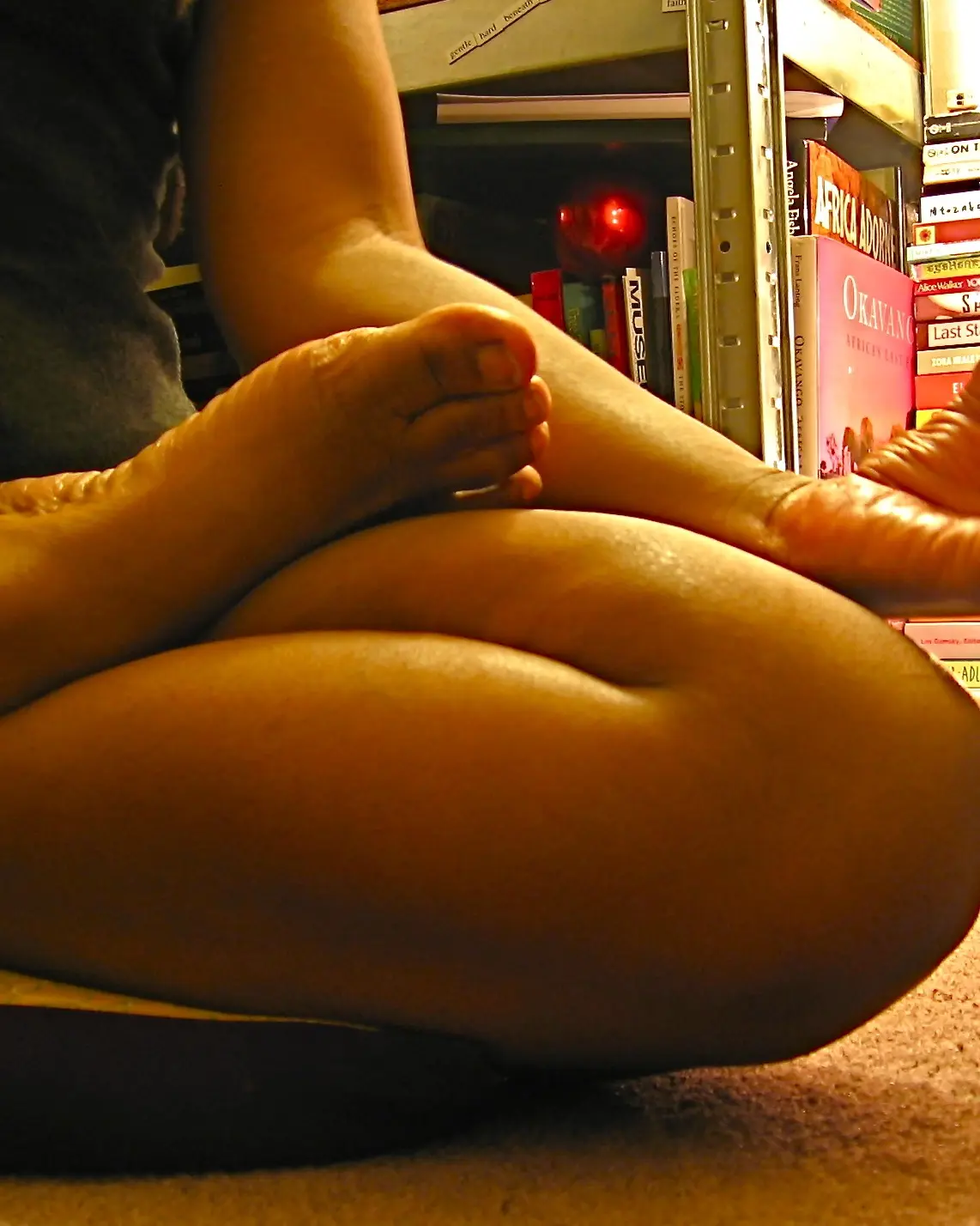
Sukhāsana, the easy pose, is the ordinary cross-legged seat: legs crossed at the shins, each foot under the opposite knee, pelvis raised on a cushion so that the knees rest lower than the hips, spine upright. It is used for meditation and breathing practice. Its name means comfortable seat; the classical texts name it without describing it.
Before yoga had a name in the West, people across India sat cross-legged on the floor to eat, to talk, to pray. Sukhāsana is that seat, made deliberate. It asks for no flexibility beyond what most bodies have, and with the right cushion it becomes a seat you can keep for a meditation, a breathing practice or a long chant.
Steps
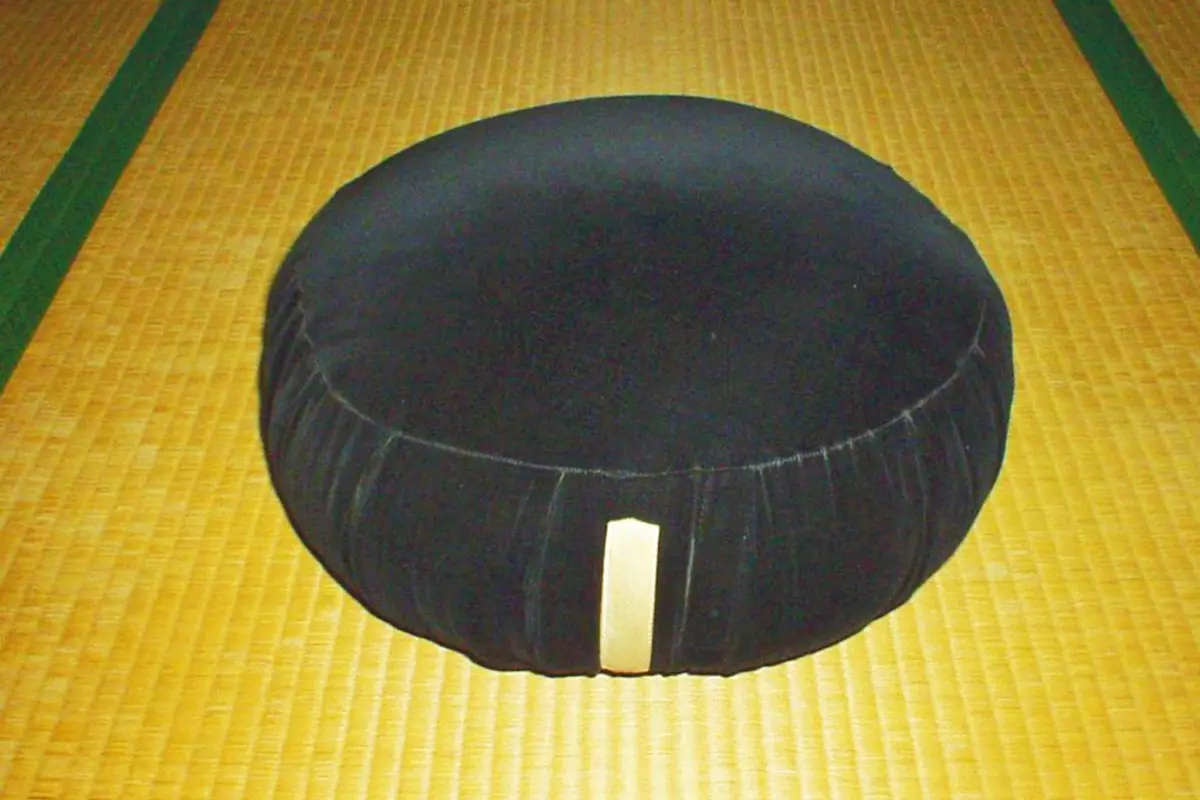
- Sit on the front edge of a firm cushion or a folded blanket, high enough that the knees can rest below the hips. Start with about 10 cm and adjust.
- Cross the legs at the shins, each foot resting under the opposite knee or thigh. The feet stay relaxed on the floor.
- Let the knees settle towards the floor. If they stay high, raise the cushion or support each knee with a folded blanket or a block.
- Find the sitting bones and let the pelvis stand upright, neither tipped back nor arched forward.
- Lengthen the spine from the pelvis to the crown of the head. Relax the shoulders, rest the hands on the knees or in the lap.
- Level the chin, close the eyes or lower the gaze, and breathe through the nose.
- Stay as long as the posture stays easy, then change the cross of the legs: the leg that was in front goes behind.
Alignment
- The knees are lower than, or level with, the hips. When they are higher, the lower back rounds and the seat stops being easy.
- The weight rests evenly on both sitting bones.
- The head sits above the pelvis, the chin neither lifted nor tucked.
- Nothing hurts. Mild tiredness in the back is normal at first; pain in the knees is not.
Variations
- Higher seat: a meditation cushion, two folded blankets, or a block under the sitting bones. The higher the seat, the easier the knees.
- Knee supports: a folded blanket or block under each knee, so the hips can let go.
- Back to the wall: a cushion behind the lower back, for long sittings or a tired back.
- Svastikāsana, the auspicious seat: each foot tucked between the thigh and calf of the opposite leg. Neater than the easy seat and still accessible to many.
- Other seats: kneeling in vajrāsana, sitting on a chair, or, when the hips are very open, siddhāsana or the lotus. Any seat that is steady and comfortable is a good seat.
Contraindications
- Recent knee or hip injury, or pain when the knees are bent: sit on a chair or kneel on a bench.
- Hip replacement: crossing the legs may be restricted after surgery; follow your surgeon's or physiotherapist's instructions.
- Numbness or tingling in the legs: change the cross, raise the seat, or stand up and walk a little; the feet and legs go to sleep when nerves are compressed for long.
- Lower back pain: use a higher seat and the wall.
In the texts
The easy seat is old in practice but barely described in the texts. The Hatha Yoga Pradipika does not include it among its fifteen postures; its closest cross-legged seat is svastikāsana (1.21), with the soles placed between the thighs and the knees. The Gheranda Samhita uses the word sukhāsana once, in its chapter on breathing, as the seat for a form of prāṇāyāma, without saying how to sit:
सुखासने चोपविश्य प्राङ्मुखो वाप्युदङ्मुखः
sukhāsane copaviśya prāṅmukho vāpy udaṅmukhaḥ
Seated in sukhāsana, facing east or facing north…
The idea is older still. Patañjali defines posture in two words, sthira-sukham āsanam, "a posture is steady and at ease" (Yoga Sutra 2.46). The ancient commentary on that sutra lists the seats of its time, among them the lotus, the svastika and the seat with a support (sopāśraya), and ends the list with yathāsukham, "whatever way is comfortable", followed by "and so on". That last entry is sukhāsana in spirit: the right seat is the one in which you can forget your body and attend to the breath. See how to meditate for what to do once seated.
Related postures
For other seats: vajrāsana, siddhāsana and the lotus. For the breath once you are seated: prāṇāyāma and alternate nostril breathing. For the right cushion and blankets, see yoga props. All the cards: the asanas chapter.
Questions people ask
What does sukhasana mean?
Sukha (सुख) means ease, comfort or happiness, and āsana means seat or posture: sukhāsana is the comfortable seat. The word sukha is the same one Patañjali uses when he asks that a posture be steady and at ease, sthira-sukham (Yoga Sutra 2.46).
What is sukhasana called in English?
Easy pose, or easy seat. In India it is also simply called sitting cross-legged; in French, 'en tailleur'. Some teachers call any comfortable cross-legged seat sukhāsana, whatever the exact position of the feet.
How to pronounce sukhasana?
Say 'soo-KHAA-suh-nuh': a short u, then kh with a breath of air after the k, a long ā, and the last two syllables short. Sukha does not rhyme with 'sucker'.
Is sukhasana a meditative asana?
Yes. It is one of the most common seats for meditation and prāṇāyāma, because almost anyone can hold it for some minutes with a cushion. The Gheranda Samhita names it as the seat for a breathing practice.
Who should avoid sukhasana?
People with a recent knee or hip injury, a hip replacement whose surgeon has advised against crossing the legs, or pain in the knees when they are bent: sit on a chair or kneel on a bench instead.
Practise gently and within your limits. Yoga is learnt best with a qualified teacher; this page does not replace one.
Sources
- Gheraṇḍasaṃhitā, Sanskrit text, 5.49 sukhāsana (GRETIL, University of Göttingen) checked October 20, 2026
- The Gheranda Samhita, translated by Srisa Chandra Vasu (Sacred Books of the Hindus, vol. XV, Panini Office, 1914-1915), 5.48, Internet Archive checked October 20, 2026
- Pātañjalayogaśāstra, Yoga Sutra with the bhāṣya, 2.46: sthirasukham āsanam and the list ending in yathāsukham (GRETIL, University of Göttingen) checked October 20, 2026
- Svātmārāma, Haṭhayogapradīpikā, Sanskrit text, 1.21 svastikāsana (GRETIL, University of Göttingen) checked October 20, 2026
- Siddhasana, Wikipedia (variations: svastikāsana, muktāsana, sukhāsana with the legs crossed at mid-calf) checked October 20, 2026